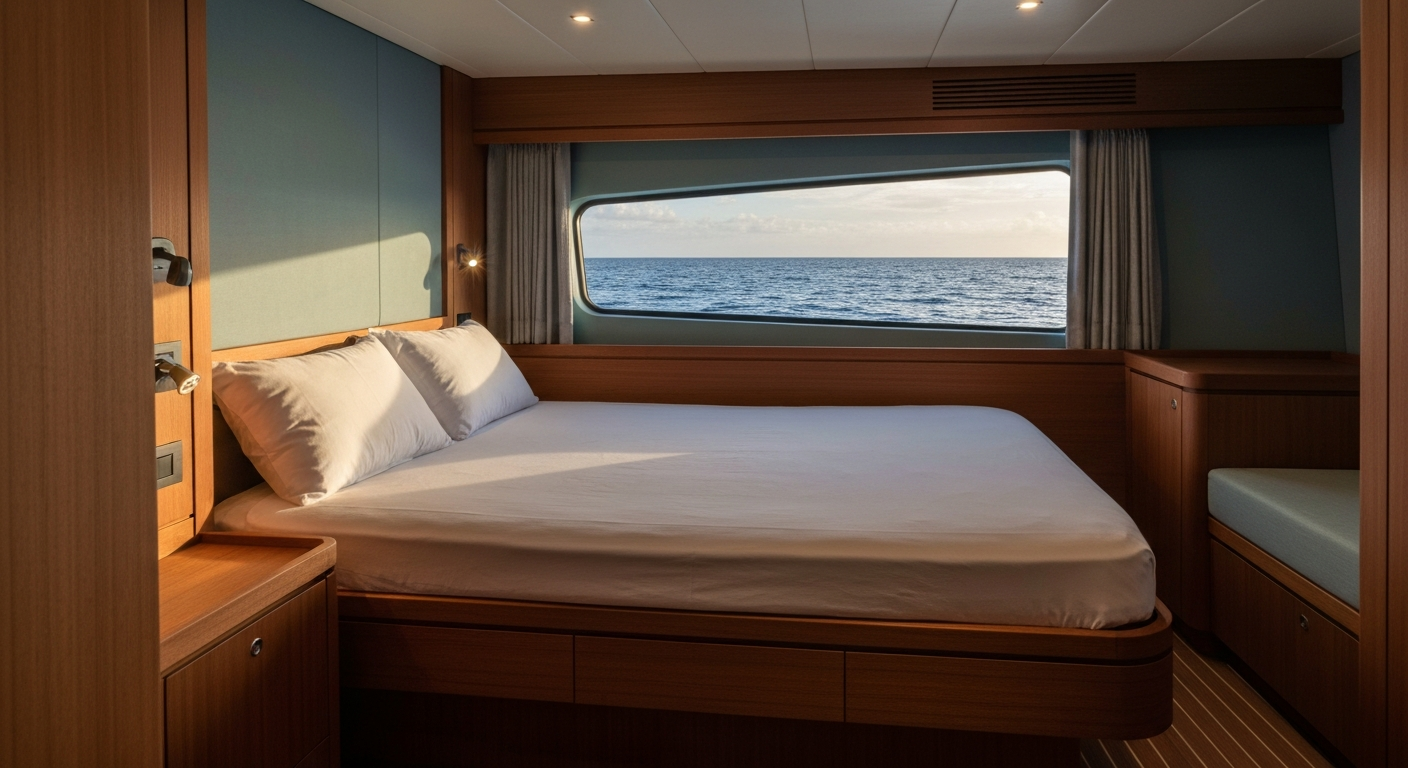
Purchasing a Bali catamaran in 2026 represents a notable investment within Indonesia’s growing maritime sector. The market for these vessels, ranging from $250,000 to over $2.5 million, attracts brokerage buyers, charter operators, and high-net-worth individuals. Bali’s strategic location offers access to prime cruising areas like Nusa Penida and the Gili Islands. In 2025, Indonesia’s marine tourism sector saw a 12% increase in foreign yacht arrivals, indicating robust demand for private vessels and charter operations. The Indonesian government actively promotes maritime investment through various initiatives, including streamlined yacht clearance processes, enhancing the appeal of Bali as a yachting hub. [Source: kemenparekraf.go.id – Ministry of Tourism and Creative Economy]
The 2026 Market for Bali Catamaran Sales
The Bali catamaran market in 2026 shows consistent demand, particularly for models capable of both private use and charter revenue generation. Prices for well-kept mid-size used models typically range from $450,000 to $850,000. New build or highly specified large catamarans can exceed $1.8 million, reaching up to $2.5 million or more. Buyers frequently seek vessels for deployment in the lucrative Bali charter market, where daily rates span $1,000 to $10,000+ depending on the vessel’s size and amenities. A significant portion of buyers originates from Australia, Singapore, and the United Kingdom, reflecting regional interest.
Specific Bali models, such as the Bali 4.2 and Bali 5.4, maintain strong resale values due to their proven performance and spacious layouts. Older Bali catamarans, often priced between $250,000 and $450,000, offer an entry point for buyers willing to invest in refits. The availability of local skilled labor for maintenance and upgrades contributes to the practicality of ownership in Bali. Demand for vessels with strong charter revenue potential remains high, influencing purchasing decisions for many investors.
Navigating Indonesian Ownership Regulations
Understanding Indonesia’s import and tax structures is crucial for any Bali catamaran purchase. Foreign ownership of vessels registered in Indonesia involves specific legal frameworks designed to regulate maritime activities. These regulations cover vessel registration, flag state requirements, and operational permits for commercial or private use. Importing a catamaran into Indonesia generally incurs import duties and taxes, which can significantly affect the total acquisition cost. Buyers must account for these financial obligations early in the purchase process.
Indonesian registration and operating legality require compliance with national maritime laws, overseen by the Directorate General of Sea Transportation. Foreign-flagged vessels operating in Indonesian waters for extended periods or commercial purposes often need specific permits. Consulting with a specialized maritime lawyer in Indonesia helps ensure adherence to all legal requirements. This prevents future complications related to customs, taxation, or operational licensing. [Source: Wikipedia – Maritime geography of Indonesia]
Key Decision Factors for Catamaran Buyers in Bali
Prospective owners consider several critical factors when selecting a Bali catamaran for sale. The vessel’s age significantly influences its price and potential maintenance requirements. Catamarans less than five years old typically command higher prices and offer modern systems. Engine hours provide a direct indicator of mechanical wear, with lower hours suggesting less intensive past use. A comprehensive refit history details past maintenance and upgrades, offering transparency on the boat’s condition.
Charter revenue potential is a primary driver for many buyers, especially those looking to offset ownership costs. A well-maintained Bali 4.2, for instance, can generate significant income through private day charters to Nusa Penida. The availability of a robust service network in Bali is also vital for ongoing maintenance and repairs. Access to spare parts, either locally or through efficient import channels, ensures operational continuity. After-sales support from brokers and local service providers adds considerable value to a purchase decision.
Financing and Logistics of a Bali Catamaran Purchase
Securing financing for a Bali catamaran acquisition often involves international banking institutions or specialized marine finance providers. Buyers from Australia, the United States, and Europe frequently arrange financing in their home countries before engaging in a purchase in Indonesia. The transaction process typically involves a clear sales agreement, a deposit, and a final payment upon transfer of ownership. Foreign exchange rates between major currencies (USD, AUD, EUR) and the Indonesian Rupiah (IDR) influence the final cost.
Logistical considerations extend beyond financing to include surveys, insurance, and potential transport. A pre-purchase survey conducted by a certified marine surveyor assesses the vessel’s condition, identifying any hidden defects. Marine insurance is mandatory for vessel protection against various risks, including theft, damage, and liability. If a catamaran is purchased outside Indonesia and needs to be brought to Bali, shipping or a delivery crew arranges transport. This process requires careful planning and coordination with international logistics companies. Learn more about Indonesian import regulations here.
The Appeal of Bali as a Base for Catamaran Ownership
Bali’s geographical position makes it an ideal base for catamaran ownership in Southeast Asia. The island offers direct access to diverse cruising grounds, including the renowned Nusa Penida, Nusa Lembongan, and the Gili Islands. These locations feature vibrant coral reefs, clear waters, and protected anchorages, attracting thousands of tourists annually. The marine environment supports activities like snorkeling, diving, and island hopping, increasing the appeal for charter operations. Bali’s international airport (Ngurah Rai International Airport) provides convenient access for owners and charter guests from around the globe.
The island also boasts a growing infrastructure for yachting, including marinas in Benoa and Serangan. These facilities offer berths, maintenance services, and provisioning options. Bali’s established tourism industry ensures a steady flow of potential charter clients, especially for private charters and sunset cruises. The island’s cultural richness and natural beauty enhance the overall experience of owning a catamaran in this region. This combination of accessibility, cruising potential, and tourism demand solidifies Bali’s status as a premier location for catamaran enthusiasts.
Essential Checklist for Buying a Catamaran in Bali (2026)
Prospective buyers preparing for a catamaran purchase in Bali should follow a structured approach. This ensures a smooth transaction and long-term satisfaction with their investment. The following checklist outlines key steps and considerations for 2026 buyers:
- **Define Budget and Financing:** Establish a clear budget, accounting for vessel price (e.g., $250k-$2.5M+), import duties, taxes, registration fees, and initial insurance. Secure pre-approved financing if necessary.
- **Identify Vessel Requirements:** Determine desired size, age, cabin configuration, and intended use (private, charter, or both). Consider models like the Bali 4.2 or Bali 5.4 based on needs.
- **Brokerage Engagement:** Engage with a reputable brokerage specializing in Bali catamarans. A broker provides market insights and facilitates viewings.
- **Vessel Inspection and Survey:** Arrange a comprehensive pre-purchase survey by a qualified marine surveyor. This identifies any structural or mechanical issues.
- **Legal Due Diligence:** Consult with maritime legal counsel regarding Indonesian ownership regulations, import laws, and registration requirements. Ensure all documentation is authentic.
- **Negotiation and Offer:** Submit a formal offer based on the survey results and market conditions. Be prepared for negotiations on price and terms.
- **Sales Agreement:** Review and sign a legally binding sales agreement that outlines all terms, conditions, and payment schedules.
- **Payment and Transfer of Ownership:** Complete the payment process according to the agreement. Ensure proper transfer of ownership documentation and vessel registration.
- **Insurance and Logistics:** Arrange comprehensive marine insurance. Plan for any necessary post-purchase logistics, such as transport or immediate maintenance.
- **Local Support Network:** Establish relationships with local service providers for ongoing maintenance, repairs, and potential charter management. Explore charter management programs.
- **Operational Permits:** Secure all necessary operational permits if the catamaran will be used for commercial charter activities in Indonesian waters.
- **Explore Cruising Grounds:** Plan initial voyages to destinations like Nusa Penida, Nusa Lembongan, or the Gili Islands. Discover available Bali 4.2 models here.
The acquisition of a Bali catamaran represents a significant opportunity for buyers seeking a blend of personal enjoyment and potential investment returns in a dynamic maritime region. Thorough preparation and expert guidance streamline the purchase process. Engaging with experienced professionals ensures compliance with local regulations and optimizes the ownership experience. This strategic approach secures a valuable asset within Indonesia’s growing marine tourism and private yachting sectors. Contact Bali Catamaran Brokerage for expert consultation on available listings and the purchasing process.